What to Know Before Booking Fotona Laser Treatments in Encino, CA
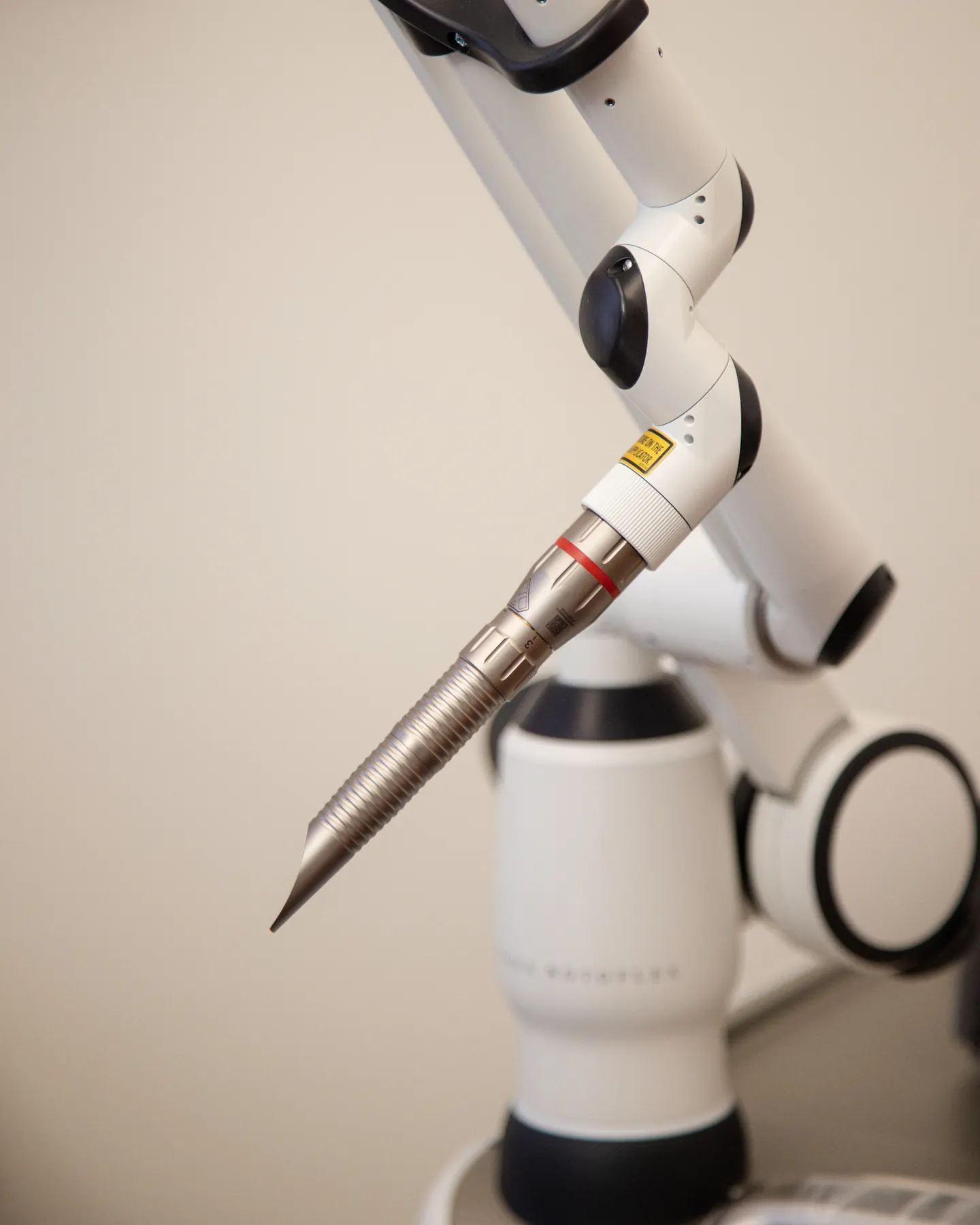
Fotona has earned a strong reputation in aesthetic medicine because it is not a single treatment in the way many patients assume. It is a laser platform with several modes and applications, which means the phrase "Fotona treatment" can describe very different experiences depending on why you are booking. One person may be seeking help for acne scars, another for skin tightening, another for pigmentation or textural refinement, and another for gynecologic wellness applications offered in certain practices. That range is exactly why patients in Encino need to ask better questions before scheduling. The name of the device matters, but the protocol, the provider, and the treatment goal matter more.
In a market like Encino, where cosmetic services are widely available and med spas compete heavily on polished marketing, it is easy to book based on a website photo, a limited time promotion, or a quick social media clip. That is not the best way to approach laser treatment. A good result usually comes from matching the right candidate to the right setting, energy level, treatment sequence, and recovery plan. A disappointing result often comes from treating the wrong concern with the wrong expectations.
If you are considering Fotona Laser Treatments Encino, CA, the smart approach is to understand what you are actually buying. You are not just buying a machine session. You are buying an evaluation, a treatment strategy, a safety protocol, and a follow-up plan.
Fotona is a platform, not a one-size-fits-all procedure
One of the biggest sources of confusion is branding. Patients hear "Fotona" and assume every provider is offering the same thing. In practice, that is rarely true. Fotona Fotona Laser Treatments Encino, CA systems can use different wavelengths and handpieces, and clinics may customize treatment combinations depending on whether they are targeting collagen remodeling, superficial resurfacing, vascular concerns, or deeper tightening.
That distinction matters because your downtime, your comfort level, and your likely result can vary substantially. A light lunchtime treatment designed for gentle rejuvenation is not the same as a more intensive resurfacing session aimed at etched lines or acne scarring. Both may fall under the Fotona umbrella. Both may be advertised with similar language. They are not interchangeable.
A careful provider will explain the exact protocol being recommended. That conversation should include whether the treatment is ablative or non-ablative, whether it works more at the surface or deeper in the dermis, how many sessions are typical, and what level of visible peeling, redness, swelling, or social downtime is realistic. If those details remain vague after a consultation, that is a sign to slow down.
The right candidate matters as much as the device
Laser treatment is never just about what the machine can do. It is about how your skin behaves. Age, skin tone, current inflammation, active acne, rosacea, melasma, scar pattern, sun exposure habits, and even your tendency toward post-inflammatory hyperpigmentation can affect the recommendation.
This is especially important in Southern California, where sun exposure is not a seasonal issue. Many Encino patients are outdoors year-round, even casually, whether that means school drop-off, pickleball, hiking, patio lunches, or running errands without much thought about UV exposure. A laser treatment plan that works beautifully on paper can become frustrating if the patient cannot protect healing skin consistently afterward.
Skin tone also deserves a direct conversation. Some laser settings and resurfacing approaches carry a higher risk of pigment changes in deeper skin tones if they are not selected carefully. An experienced provider will not brush past that. They will discuss your Fitzpatrick skin type, your history of pigmentation after breakouts or irritation, and whether pre-treatment skin prep is needed. In some cases, the safest and most effective path is to start more conservatively or address inflammation and pigment instability before moving into an aggressive resurfacing plan.
Why the consultation should feel specific, not scripted
A worthwhile laser consultation should not feel like a generic sales appointment. It should feel diagnostic. The provider should examine your skin in good light, ask about your medical history, review recent treatments, and talk through both what bothers you and what is realistically changeable.
For example, patients sometimes book laser treatment because they want "tighter skin," but what they are really noticing is lower-face volume loss, jowling, or deeper folds caused by structural aging. A laser may improve skin quality and mild laxity, but it will not recreate cheek support or replace what filler, biostimulation, or surgery addresses more directly. Good practices say that clearly, even when it means recommending less laser than the patient expected.
The same is true for acne scars. Rolling scars, boxcar scars, and icepick scars do not all respond the same way. A patient with mixed scar types may need combination treatment, not laser alone. Sometimes subcision, microneedling, chemical peels, punch techniques, or injectable support play an important role. When a clinic presents Fotona as the answer to every texture issue, skepticism is healthy.
The most useful consultations usually include before-and-after examples from that actual practice, ideally of patients with similar skin tone and concern severity. Stock images and manufacturer galleries can be helpful for understanding categories of improvement, but they are not the same as proof of the provider's judgment and technique.
Pricing only makes sense when you know what is included
Laser pricing in Encino varies widely, and the lowest quote is not always the best value. Sometimes a low advertised number refers to a small treatment area, a minimal treatment setting, or a one-off session that is unlikely to produce the outcome most patients hope for. On the other end, a very high package price does not automatically mean superior care.
When comparing quotes, context is everything. Ask what the fee actually covers. Does it include numbing cream, post-care products, follow-up visits, photography, or touch-up treatment? Is it priced per session, per area, or as a series? If the treatment plan calls for three to five sessions, the total cost matters more than the single-session price.
A patient may hear that one office charges significantly more than another for Fotona Laser Treatments Encino, CA, and assume one of them is overcharging. The explanation is often more nuanced. One clinic may be delivering a more intensive protocol with physician oversight, stronger pre- and post-care support, and longer appointment times. Another may be offering a lighter treatment that suits a different budget and recovery tolerance. Neither price tells the whole story by itself.
Downtime is often underestimated
Patients frequently ask whether they can have laser on a Thursday and attend an event Saturday. Sometimes the answer is yes. Sometimes that is a terrible idea. It depends on the exact treatment and how your skin typically heals.
Even relatively gentle sessions can leave the skin pink, swollen, dry, or rough for several days. More intensive resurfacing can create bronzing, flaking, grid-like texture, pinpoint crusting, or a very noticeable sunburned appearance before the skin turns the corner. Makeup may not sit well during that phase, and vigorous workouts, heat exposure, and direct sun can complicate healing.
One of the most common mismatches in cosmetic dermatology is between what patients mean by "downtime" and what clinics mean by it. A clinic may define downtime as the period in which you are medically fine to resume normal routines. A patient may define it as the point when no one at work asks what happened to their face. Those are not the same benchmark.
If you have an upcoming wedding, on-camera appearance, work presentation, or travel plan, say that early. A responsible provider will help you time treatment conservatively rather than optimistically.
Ask how pain is managed, and how realistic comfort expectations are
Laser treatment discomfort is highly variable. Some Fotona protocols feel warm and prickly. Others can be quite intense, especially when deeper energy or resurfacing is involved. Pain tolerance also differs from person to person, and anxiety tends to magnify discomfort.
This is another area where details matter. Does the practice use topical numbing, cooling, Zimmer air, local anesthesia, or oral medication when appropriate? How long does numbing sit before treatment starts? Will the provider adjust settings if you are struggling, or are they committed to a fixed protocol regardless of tolerance?
Patients often do better when they hear a candid explanation. One experienced injector once told a nervous patient, "This is manageable, but it is not a facial." That kind of honesty Fotona Laser Treatments Encino, CA is useful. When offices overpromise comfort, trust erodes quickly once the treatment begins.
Results depend on series planning, not just a single appointment
A lot of aesthetic disappointment comes from expecting a one-session transformation. While some people do see an impressive glow or tightening effect after one treatment, many of the concerns Fotona addresses respond best to a series. Collagen remodeling is gradual. Acne scars improve in layers. Pigment and texture often need repeated passes over time.
That does not mean every patient needs a large package upfront. It does mean you should ask what a realistic treatment arc looks like. For mild texture or early aging, a provider might recommend two to four treatments spaced several weeks apart, followed by maintenance. For more established scarring or laxity, more sessions may be appropriate. The exact number depends on how aggressive each appointment is and what endpoint the provider is aiming for.
A skilled clinician will also explain what "improvement" means in percentage terms. If a scar patient hears "you will look better" but imagines complete erasure, disappointment is almost guaranteed. In experienced hands, meaningful improvement can be very worthwhile even when perfection is impossible.
Medical history can change your candidacy
Patients sometimes focus so much on the cosmetic goal that they forget to mention medications and health history. With lasers, that can be a mistake. Recent isotretinoin use, active infections, a history of cold sores, autoimmune conditions, poor wound healing, certain photosensitizing medications, pregnancy considerations, and prior procedures in the same area can all affect timing or protocol choice.
Even something as ordinary as a recent tan matters more than people think. Tanned skin carries extra pigment activity, which can make some treatments riskier. In Encino, where many patients spend weekends outdoors or use self-tanner regularly, that issue comes up often. Self-tanner itself is not the same as a true tan, but any pigment on the skin can interfere with evaluation, and recent UV exposure still matters independently.
You should also disclose if you have had filler, threads, RF microneedling, peels, or other laser work in the area. Combination aesthetics is common now, which is not inherently a problem. It simply requires coordination.
The provider's judgment is the real product
Patients often ask whether they should see a dermatologist, plastic surgeon, nurse practitioner, physician assistant, or laser specialist. Titles matter, but judgment matters more. What you want is someone practicing within a well-supervised medical framework, with clear experience in laser safety, skin assessment, and complication management.
A machine in inexperienced hands can underdeliver at best and create burns or pigment changes at worst. A strong practice does several things consistently. It evaluates carefully, documents with photos, sets expectations honestly, modifies settings based on response, and gives detailed aftercare that is easy to follow.
Here are five questions worth asking before you book:
- Which Fotona protocol are you recommending for my specific concern?
- How many sessions do patients like me usually need to see a noticeable change?
- What downtime should I expect in visible, real-life terms?
- What risks are most relevant for my skin tone and history?
- Who performs the treatment, and who manages complications if they happen?
Those questions do more than gather information. They reveal how the office thinks. A strong team will answer directly and comfortably. A weak one may pivot back to marketing language.
Aftercare is not a side note
Laser outcomes are shaped heavily by what happens after the appointment. The first several days often determine whether you heal cleanly or trigger unnecessary irritation. Patients tend to underestimate this because aftercare sounds simple on paper. In real life, it requires restraint.
For many treatments, that means gentle cleansing, liberal moisturization, strict sunscreen use, and avoidance of scrubs, active acids, retinoids, heat, steam, and intense exercise for a period recommended by the provider. It can also mean resisting the urge to pick at flaking skin or to "speed things up" with favorite products that normally work well. Healing skin is not normal skin.
A common scenario in Los Angeles-area practices goes like this: the treatment itself goes fine, but the patient returns to a full skincare routine too soon, spends time outside, or attends a sweaty workout class the next morning. Then they blame the laser for prolonged redness or irritation that was partly preventable. Good offices anticipate that pattern and give aftercare that is specific, written down, and reinforced verbally.
It helps to think in terms of trade-offs
Every aesthetic treatment has trade-offs. The appeal of Fotona is that it can offer real skin improvement with flexible intensity, but flexibility still means choices. More aggressive treatment may bring stronger results and more downtime. Gentler treatment may feel easier and fit a busier schedule, but require more sessions and more patience.
Patients who are happiest long term usually understand this before they start. They are not looking for a miracle hidden inside a brand name. They are deciding which compromise suits their goals, budget, pain tolerance, and calendar.
That same mindset is useful when evaluating combination treatment plans. Sometimes the best answer is not more laser. A patient with melasma-prone skin may benefit more from pigment stabilization, prescription topicals, and careful maintenance than from repeated energy-based treatment. A patient with early laxity may get a modest boost from laser but a better overall outcome by combining it with neuromodulators, biostimulatory treatments, or devices aimed more directly at tissue support. Good aesthetic medicine is selective, not maximalist.
Red flags that deserve caution
You do not need to be suspicious of every med spa ad, but a few patterns should make you pause. One is overpromising. If a practice presents laser as scar erasure, instant lifting, or a substitute for every other modality, that is not careful medicine. Another is pressure to buy a large package before a proper exam. Packages can make sense, but they should come after a plan, not before one.
Be cautious, too, if no one asks about pigment history, medications, herpes history, recent sun exposure, or prior procedures. Those are basic screening questions. Their absence suggests a process problem, not just a rushed appointment.
A final red flag is vague treatment naming. If the office cannot explain which Fotona treatment you are receiving and what tissue target it is meant to address, that is not a small oversight. It goes to the heart of informed consent.
How to decide if now is the right time
Timing is practical, not just medical. The best laser window is when you can protect your skin, follow instructions, and tolerate looking temporarily worse before you look better. For some patients, that means avoiding peak summer vacation periods. For others, it means scheduling around work obligations or social events.
Before booking, consider a short personal checklist:
- Can I avoid significant sun exposure during healing?
- Do I have at least several days with social flexibility, if needed?
- Am I prepared for a series if one session is not enough?
- Is my skin currently calm, or am I dealing with irritation, breakouts, or a recent tan?
- Do I understand the likely improvement range for my concern?
If the answer to several of those is no, waiting may lead to a better experience.
What a strong booking decision looks like
A confident treatment decision rarely comes from being dazzled. It comes from clarity. You understand what concern is being treated, why Fotona is a good fit, what the realistic endpoint looks like, and what you need to do before and after treatment. The provider has looked at your actual skin, not just your intake form. The quote makes sense in the context of the full plan. You know who will perform the procedure and what support is available if healing does not go exactly as expected.
That is the standard worth holding in Encino, where there is no shortage of options. The abundance of aesthetic services can be a benefit if it pushes you to choose carefully rather than quickly. When patients take the time to ask better questions, Fotona Laser Treatments Encino, CA can be a thoughtful, effective part of a broader skin strategy, not just another appointment squeezed into a busy month.
OMNIA Wellness Center
Address: 16430 Ventura Blvd Ste 207, Encino, CA 91436
Phone number: +18183868511
FAQ About Fotona Laser Treatments Encino, CA
What is a Fotona laser good for?
A Fotona Laser system is a versatile, dual-wavelength medical laser used primarily for non-surgical skin tightening, anti-aging rejuvenation, and dermatological treatments.
How much does the Fotona laser cost?
The cost of a Fotona laser depends heavily on whether you are looking to purchase a laser machine for a medical practice or are a patient seeking a laser treatment at a medspa.
Is a Fotona laser worth it?
A Fotona laser treatment is generally worth it if you want non-surgical skin tightening, improved texture, and collagen stimulation with very little downtime.