How Fotona Laser Treatments Encino, CA Support a Refined, Refreshed Look
A refined appearance rarely comes from dramatic change. More often, it comes from the small corrections that make a face or body look rested, even-toned, and quietly well cared for. Skin that reflects light better. Texture that feels smoother to the touch. A little more firmness along the jawline, around the mouth, or beneath the eyes. These are the details people notice without always being able to name them.
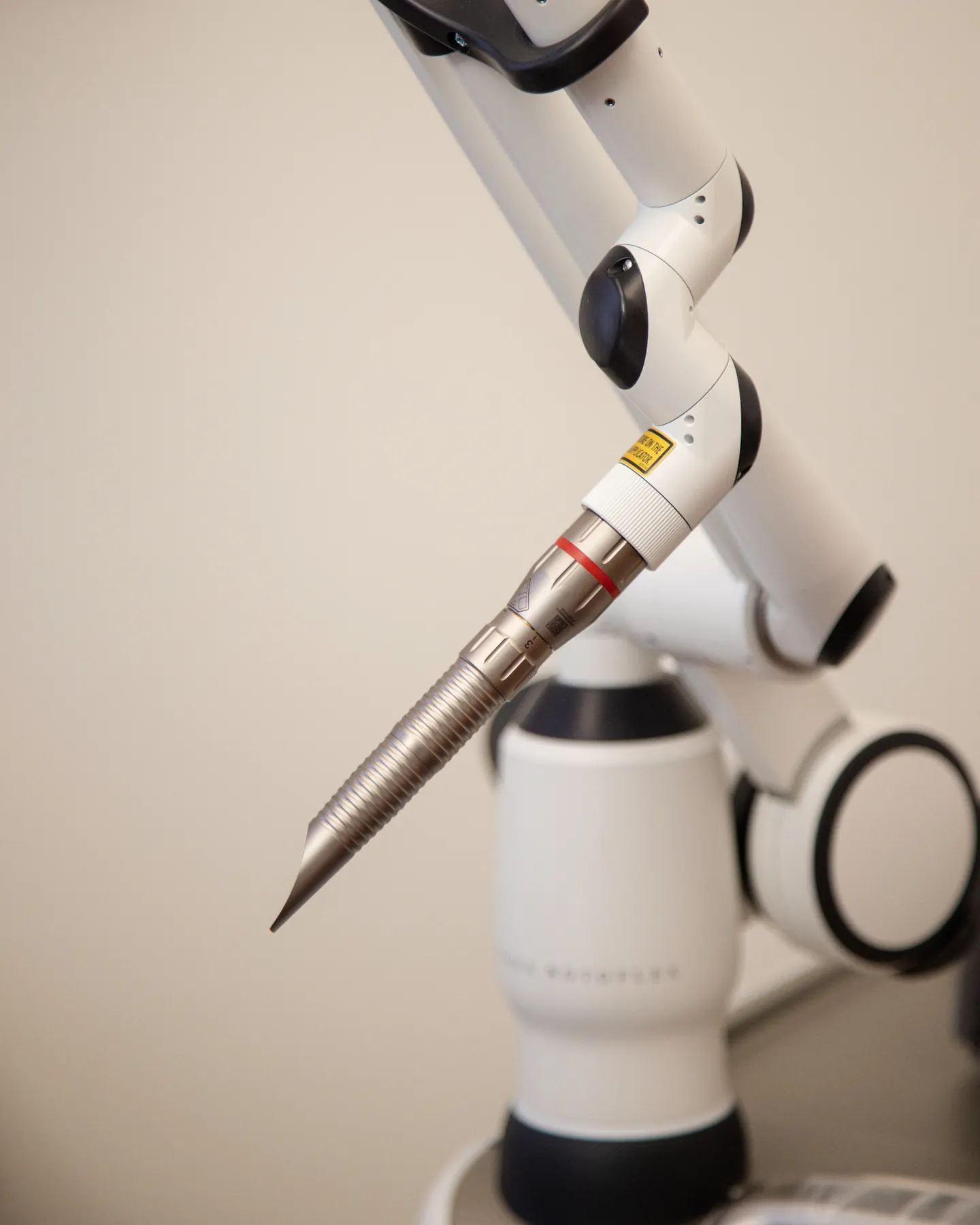
That is where Fotona Laser Treatments Encino, CA have earned real attention. Patients who want visible improvement without looking overdone often respond well to treatments that stimulate the skin’s own remodeling process rather than simply masking a concern. In experienced hands, Fotona technology can address tone, laxity, fine lines, acne scarring, vascular redness, and overall skin quality with a flexibility that many people find appealing.
Encino, in particular, has a patient population that tends to value polished results with minimal interruption to daily life. Many people want to look fresh for work, social events, or simply for themselves, but they are not interested in a recovery process that takes them out of circulation for weeks. They also want treatments that can be tailored, because a person dealing with early crepiness under the eyes has different priorities than someone focused on acne scars or jawline laxity. Fotona is often part of that conversation because it can be adapted to different tissues, depths, and treatment goals.
Why Fotona stands apart
Not all laser systems behave the same way, and that matters more than most first-time patients realize. Fotona is known for combining laser wavelengths and treatment modes that let providers work with both superficial and deeper layers of tissue. In practical terms, that means a session can be calibrated for resurfacing, tightening, vascular concerns, or collagen stimulation depending on what the skin actually needs.
One reason experienced clinicians value the platform is its range. Some patients need gentle polishing and brightening. Others need deeper remodeling to soften etched lines or improve old acne scarring. Some are not ideal candidates for aggressive ablation but still want meaningful improvement. A versatile system helps bridge those gaps.
There is also a pacing advantage. With the right settings, Fotona can often deliver progressive improvement over a series of sessions rather than forcing a patient into one intense treatment with a long recovery. For many adults in Encino, that trade-off feels practical. They can maintain a professional schedule, keep up with family obligations, and still invest in skin quality over time.
That said, versatility only helps when treatment planning is thoughtful. Laser outcomes depend on skin type, medical history, sun exposure, lifestyle, and the specific concern being treated. A person with diffuse redness and visible capillaries needs a different strategy from someone with volume loss and textural roughness. The machine matters, but the judgment behind the settings matters more.
What patients are usually trying to improve
When people ask about Fotona Laser Treatments Encino, CA, they are usually not asking for one thing. They may walk in saying they look tired, but what they mean is more layered. It might be under-eye creasing, redness around the nose, rough skin on the cheeks, residual acne marks, or a slight heaviness developing around the lower face. Sometimes it is all of the above.
Laser treatment Fotona Laser Treatments Encino, CA can be useful because aging and skin damage rarely show up in isolation. Collagen loss changes firmness. Sun exposure affects pigment and texture. Repeated facial movement etches expression lines. Old breakouts can leave shallow depressions or redness long after acne itself has cleared. Addressing only one feature can help, but addressing the skin as a whole often creates the more elegant result.
A common example is the patient in their late thirties or forties who says, “I do not want to look different, I just want to look less worn out.” That patient may not need fillers or surgery. They may benefit more from improving skin reflectivity, tightening mild laxity, and softening fine lines around the eyes or mouth. Once the skin itself looks healthier, the entire face tends to read as more rested.
Younger patients can benefit too, particularly when texture, pores, post-acne marks, or preventive collagen support are the main goals. In those cases, the aim is not correction of advanced aging. It is preserving smoother, stronger skin and interrupting the cycle of cumulative damage.
The idea of refinement, not reinvention
The best laser work is often hard to spot. Friends may comment that someone looks great, healthier, or well rested without immediately identifying a treatment. That subtlety is worth emphasizing because many people delay useful care out of fear that any aesthetic procedure will leave them looking unnatural.
Fotona treatments are often chosen precisely because they can support refinement. They improve the canvas. Instead of changing facial identity, they can reduce the distractions that make skin look older or more stressed than it feels. Fine wrinkling becomes less prominent. Mild looseness may tighten enough to sharpen definition. Uneven tone can settle into a more uniform complexion. Makeup sits better. Bare skin photographs better in natural light.
This softer approach appeals to patients who want results that build gradually. The process can feel less emotionally jarring than a sudden, obvious shift. It also allows room for adjustment. If a patient responds beautifully to conservative settings, the provider can maintain that course. If more correction is needed, later sessions can be planned with that in mind.
Areas that respond well
Facial rejuvenation is the most familiar use, but it is not the only one. Depending on the device configuration and the provider’s treatment strategy, Fotona may be used on areas where texture and laxity tend to show first. The lower eyelids, around the mouth, cheeks, neck, and jawline are frequent concerns. Some practices also treat the décolletage, where sun damage and fine wrinkling can make the skin look older than the face.
The eye area deserves special mention because it is one of the first places fatigue shows up. Mild creasing, thinning skin, and laxity below the lash line can make someone look more tired even when they are sleeping well. Laser-based tightening and resurfacing, when appropriately selected, can offer improvement in patients who are not ready for more invasive intervention.
The mouth is another revealing zone. Vertical lip lines and perioral textural changes can age the face quickly, especially in people with expressive movement or long-term sun exposure. Gentle resurfacing and collagen stimulation in this area can make a real cosmetic difference, though it often requires careful settings and realistic expectations.
Neck treatment tends to be one of the most nuanced discussions. Laser can improve crepey texture and mild laxity, but it has limits. When banding or heavier tissue descent is present, a patient may still benefit from surgical consultation or combination treatment. Honest guidance at this stage saves frustration later.
What treatment actually feels like
Patients usually want a straightforward answer: does it hurt, and how long will I be down? The truthful answer is that discomfort and recovery vary with the intensity of the session, the area being treated, and the individual’s tolerance. A lighter treatment aimed at gentle rejuvenation can feel warm, prickly, and very manageable. Deeper resurfacing or more aggressive tightening is a bigger event.
Topical numbing is often used when appropriate, and many patients tolerate treatment better than they expected. The sensation is commonly described as heat with brief snaps against the skin. Around delicate areas like the eyes or mouth, sensitivity can be higher. That is not unusual.
Immediately afterward, skin may appear flushed, feel warm, and show mild swelling. With more intensive settings, there can be bronzing, roughness, or a sandpapery texture for several days while the skin turns over. Makeup timing depends on the treatment depth and the provider’s instructions. Some people are comfortable being seen the next day after a lighter session. Others prefer a few days of social downtime.
This is one of those moments when lifestyle should guide planning. Someone preparing for a wedding, major presentation, reunion, or photo-heavy vacation should schedule with a cushion, not assume all lasers are lunchtime procedures. Even a good outcome can be stressful if the treatment is timed poorly.
Results tend to build, not arrive overnight
One of the most important counseling points with Fotona is that improvement often unfolds in stages. A little brightness or tightness can show up early as swelling settles and the skin heals, but collagen remodeling takes longer. For concerns like laxity, textural irregularity, or acne scarring, the skin usually needs time and often more than one session.
That timeline can be frustrating for patients accustomed to the immediacy of injectable volume correction. Laser is a different category. It is less about instant expansion and more about tissue quality. The reward is that better skin quality often looks more natural and wears more gracefully.
A typical course may involve a series spaced several weeks apart, followed by maintenance based on age, skin behavior, sun exposure, and goals. Some people do well with one or two tune-up sessions per year after an initial series. Others need more regular intervention, especially if they are treating active concerns such as acne scarring or significant photodamage.
Patience matters here, but so does documentation. Before photos taken in consistent lighting can be surprisingly useful. Patients sometimes forget how much redness, creasing, or roughness was present at baseline. Looking back at accurate images often tells a clearer story than memory alone.
What a strong consultation should cover
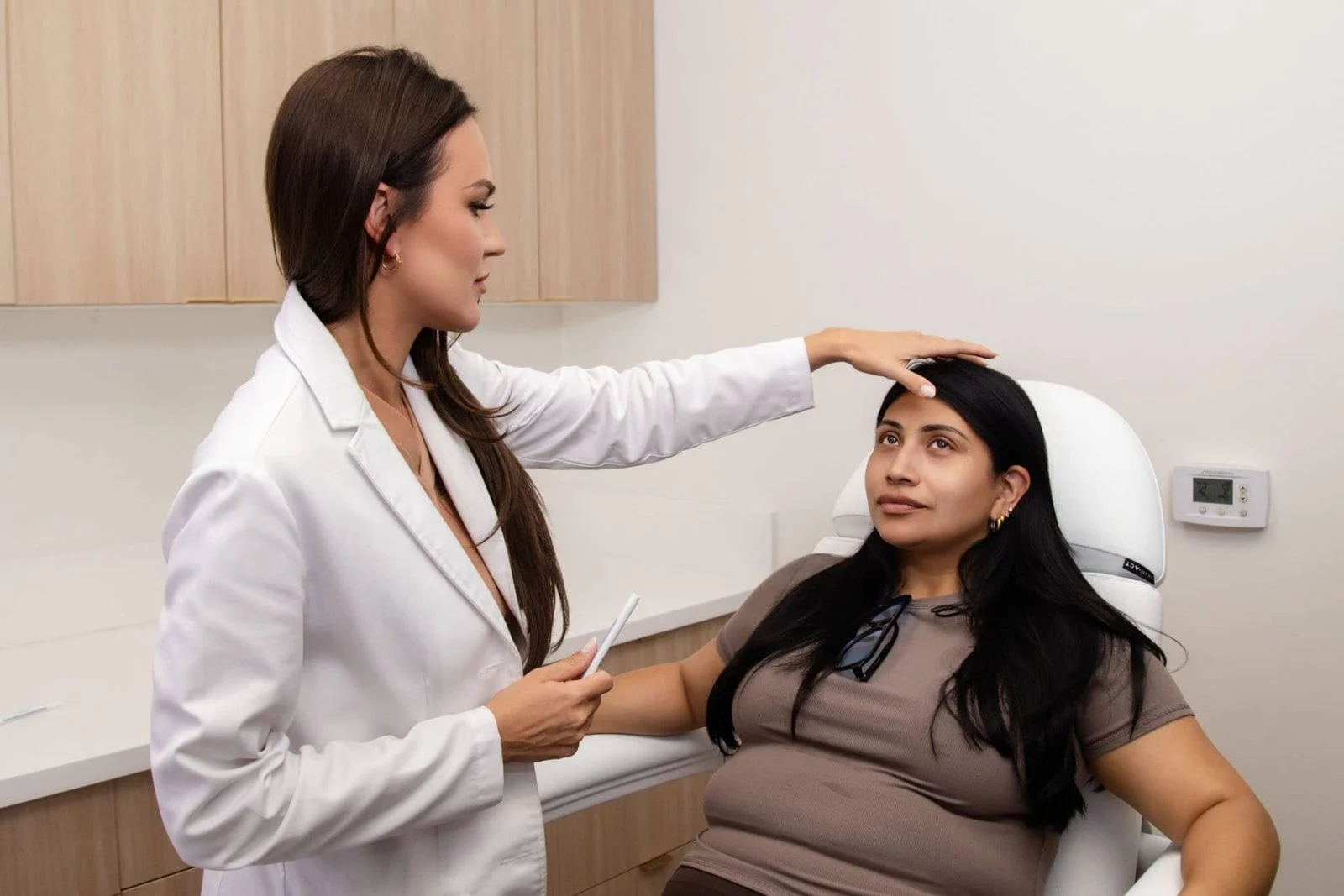
A proper consultation is not a sales script. It should sound more like clinical problem-solving. The provider should ask what bothers the patient most, what kind of downtime is realistic, how the skin reacts to previous procedures, and what expectations are truly reasonable. They should also assess whether laser is the best first step.
There are a few topics worth covering carefully:
- skin type and pigment risk
- history of melasma, cold sores, or poor wound healing
- recent sun exposure or tanning
- current skincare, especially retinoids or strong exfoliants
- whether the goal is correction, maintenance, or prevention
These details shape the plan. A patient with a history of pigment irregularity may still be a candidate, but settings, pretreatment, and aftercare may need to be adjusted. Someone who spends every weekend hiking in full sun may need a different maintenance strategy than someone with more controlled exposure. A patient chasing “perfect” pores may need a conversation about what lasers can improve versus what they cannot erase.
The best consultations also address alternatives. Sometimes microneedling, radiofrequency, injectables, or surgery fit the concern better. Sometimes combination care produces the most polished outcome. Laser should not be treated as a universal answer.
The role of combination treatment
In real practice, refreshed results often come from combining modalities rather than relying on one tool to do everything. Skin quality, volume, muscle movement, and tissue position are separate variables. Laser can improve some of them beautifully, but it cannot replace all the others.
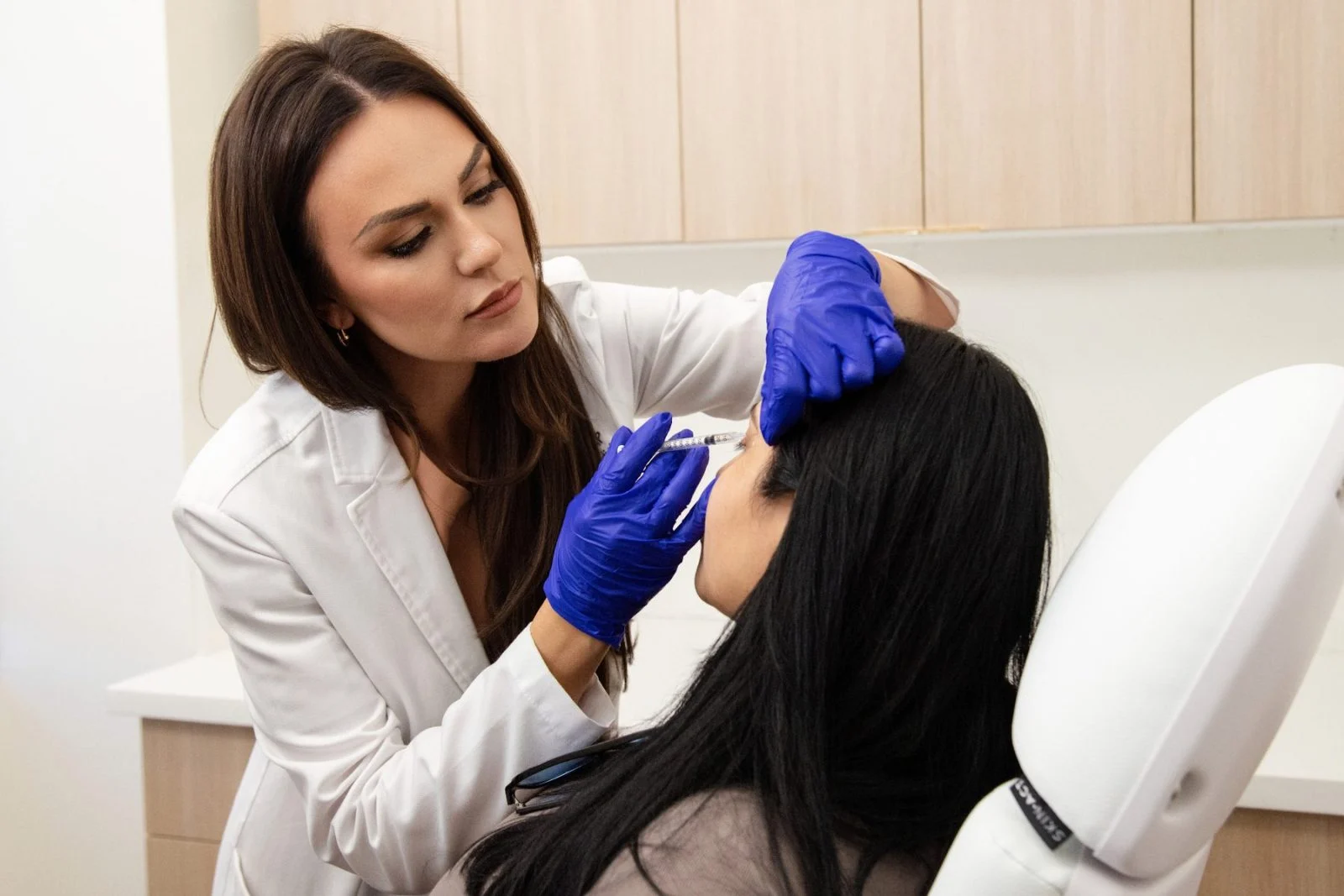
For example, a patient with sun damage, fine lines, and a slightly hollow midface may benefit from laser plus conservative filler. Another with lower-face heaviness and platysmal activity may pair laser with neuromodulator or a device-based tightening plan. A patient with acne scars may do best with a sequence that includes laser, subcision, or other scar-focused approaches.
This is where professional restraint matters. If a clinic promises that one laser session will tighten the jawline, erase wrinkles, shrink pores, clear pigment, and replace a facelift, caution is warranted. Good aesthetic medicine is usually more measured than that. It tends to involve prioritizing concerns, selecting the right modality for each issue, and building improvement over time.
Healing well is part of the result
Post-treatment care is not glamorous, but it directly affects outcome. Patients who do well after laser are usually the ones who protect the skin barrier, avoid unnecessary irritation, and take sun avoidance seriously during recovery. This is especially true in Southern California, where incidental sun exposure adds up quickly even when someone is not deliberately tanning.
A practical aftercare routine often includes the following:
- gentle cleansing and bland hydration
- strict sun protection with hats and broad-spectrum sunscreen
- temporary pause on retinoids, acids, and scrubs
- avoidance of heat-heavy workouts for the period advised
- close follow-up if swelling, crusting, or pigment change seems unusual
That does not sound complicated, but compliance varies. Some patients feel better after forty-eight hours and jump back into active skincare too early. Others underestimate how much a quick walk, a patio lunch, or a drive with the sun on one side of the face can influence healing. The skin is vulnerable during recovery, and a little discipline pays off.
One practical point that often gets missed: plan your calendar around healing, not just around the appointment itself. If you have a major event on Friday, a Tuesday treatment is not automatically wise simply because your schedule looks open. Your skin may still be pink, textured, or not sitting well under makeup.
Who tends to be happiest with Fotona
The most satisfied patients are usually the ones seeking measured, visible improvement rather than instant transformation. They value healthier-looking skin, firmer texture, and a more rested appearance. They understand that one treatment may help, but a properly spaced series often helps more. They also accept that the endpoint is better skin, not poreless, wrinkle-free perfection.
Patients with realistic expectations often describe the result in everyday language. They say they look fresher on video calls. Their concealer does not settle as much. They feel more comfortable leaving the house with less makeup. Their jawline looks a bit cleaner in photographs. These are meaningful quality-of-life wins, even if they do not read as dramatic before-and-after marketing claims.
Those with severe sagging, significant excess skin, or very deep folds may still appreciate laser, but they need a candid discussion about limits. Non-surgical treatments can improve, refine, and maintain. They cannot always replicate what surgery accomplishes. Knowing that upfront protects trust.
The Encino factor
Aesthetic priorities are often local, shaped by climate, lifestyle, and social environment. Encino patients frequently want results that fit a polished but believable standard. They are active, visible, and often balancing work with family and social commitments. They want to look like themselves, just sharper, smoother, and more rested.
The climate also influences skin concerns. Chronic sun exposure contributes to uneven tone, fine lines, textural roughness, and laxity over time. Even patients who are diligent now may be correcting years of accumulated exposure from driving, outdoor exercise, or simply living in bright weather. That makes collagen-supportive and resurfacing treatments especially relevant.
For that reason, Fotona Laser Treatments Encino, CA often become part of a longer-term skin strategy rather than a one-time fix. Patients may use them seasonally, before a milestone event, or as regular maintenance to stay ahead of changes rather than reacting after the fact. That approach usually produces the most natural results because the skin is being guided gradually, not overhauled in a single burst.
A refreshed look comes from better skin behavior
People sometimes talk about aesthetic treatment as though it is only cosmetic, but skin quality changes how the whole face is perceived. Better elasticity can make features seem more defined. Smoother texture reflects light more evenly. Reduced redness can make the complexion look calmer and healthier. Fine line softening around the eyes can make someone appear less fatigued, even without makeup.
That is why Fotona Laser Treatments Encino, CA laser can support a refined appearance so effectively. It works with the skin’s structure rather than simply covering a flaw. When done well, the result does not announce itself. It lets the face read more clearly.
There is a quiet confidence that comes from that kind of improvement. Not the confidence of looking altered, but the confidence of seeing your face look more aligned with how energetic, polished, or well you actually feel. For many patients, that is the real appeal of Fotona. It is not about chasing a different identity. It is about clearing away some of the visual noise, so the rested, capable version of you shows up more easily.
For patients exploring Fotona Laser Treatments Encino, CA, the most important step is choosing a provider who understands both the technology and the art of restraint. The machine can do a great deal, but the refined, refreshed look people want depends on assessment, timing, skin preparation, and honest treatment planning. When those pieces are in place, laser treatment can be one of the most useful tools available for skin that looks smoother, firmer, and more quietly radiant.
OMNIA Wellness Center
Address: 16430 Ventura Blvd Ste 207, Encino, CA 91436
Phone number: +18183868511
FAQ About Fotona Laser Treatments Encino, CA
What is a Fotona laser good for?
A Fotona Laser system is a versatile, dual-wavelength medical laser used primarily for non-surgical skin tightening, anti-aging rejuvenation, and dermatological treatments.
How much does the Fotona laser cost?
The cost of a Fotona laser depends heavily on whether you are looking to purchase a laser machine for a medical practice or are a patient seeking a laser treatment at a medspa.
Is a Fotona laser worth it?
A Fotona laser treatment is generally worth it if you want non-surgical skin tightening, improved texture, and collagen stimulation with very little downtime.