Fotona Laser Treatments in Encino, CA for Non-Surgical Skin Improvement
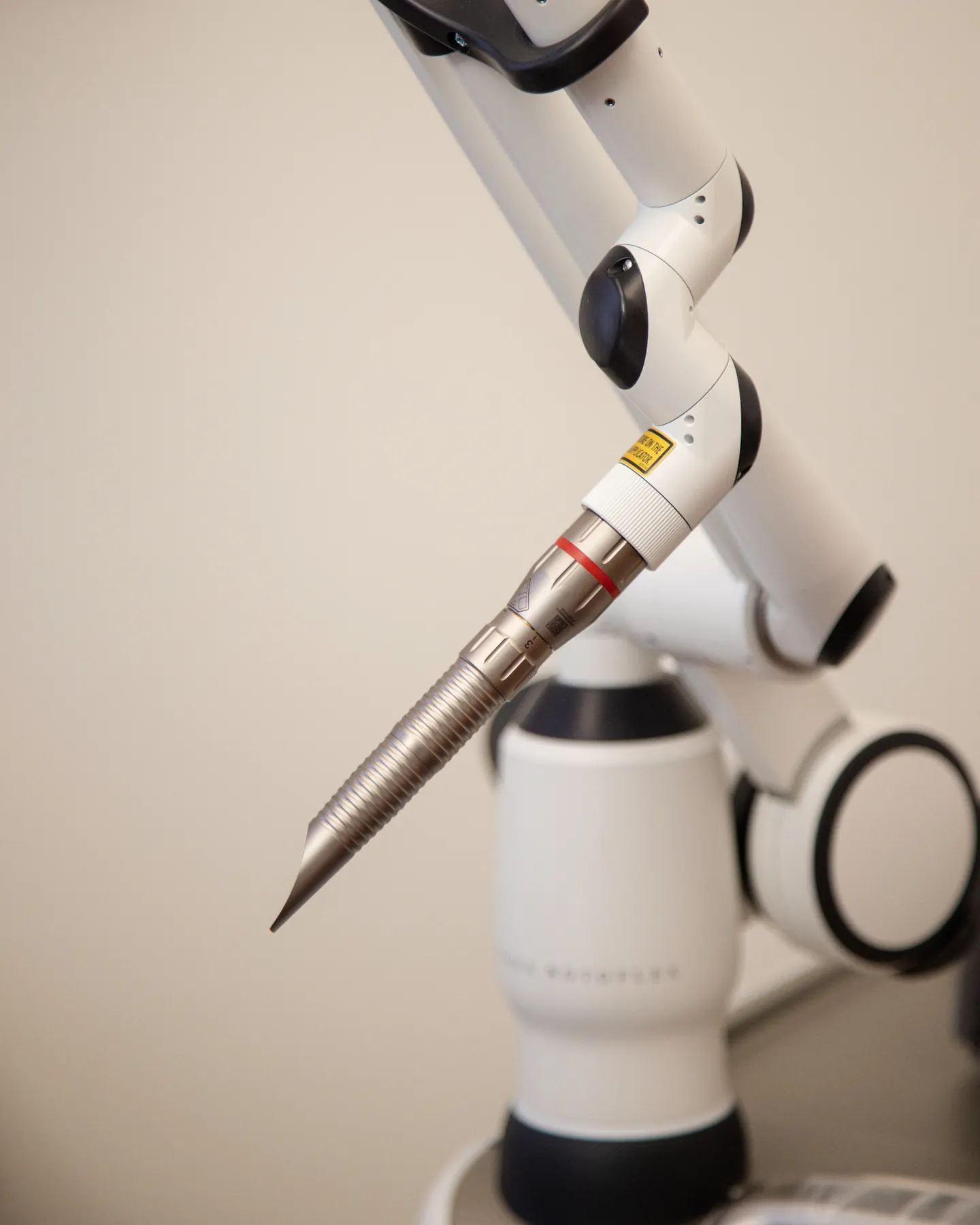
Interest in non-surgical skin treatments has grown for a simple reason: many people want visible improvement without committing to surgery, prolonged downtime, or a result that changes how they look overnight. In Encino, where professional appearance matters and social schedules stay full year-round, that preference is especially common. Patients often want firmer skin, better tone, softer lines, or less textural damage, but they want to get there gradually and intelligently.
That is where Fotona laser treatments enter the conversation. When used well, Fotona technology offers a versatile approach to skin improvement that can address concerns on the face, neck, and around delicate areas without the disruption associated with more aggressive procedures. The key phrase there is “when used well.” Laser treatments are not interchangeable, and the best outcomes usually come from a thoughtful plan, not from chasing a single trendy session.
For anyone researching Fotona Laser Treatments Encino, CA, it helps to understand what this platform is designed to do, who tends to benefit most, what a treatment series really feels like, and where the limitations lie. Those practical details matter far more than marketing language.
What makes Fotona different from many other laser options
Fotona is best known for combining different laser wavelengths in ways that allow a provider to target multiple layers of tissue. In practical terms, that means one treatment plan can often be tailored for resurfacing, collagen stimulation, tightening, or support in delicate zones where treatment needs to be precise.
Many providers use Fotona systems because they can shift between gentler and more intensive approaches depending on the patient’s goals, tolerance for downtime, and skin condition. A patient in their early thirties with mild crepiness around the eyes usually needs a very different strategy than someone in their fifties dealing with sun damage, etched lines, and skin laxity. A flexible platform is useful because those concerns rarely show up in isolation.
In a real clinical setting, this matters more than people expect. A patient may come in asking for “tightening,” then during consultation it becomes clear that what bothers them most is actually rough texture under makeup, persistent redness from prior irritation, or mouth lines that deepen in certain lighting. The treatment plan often changes once those details are uncovered. Fotona can be helpful in those situations because it supports more than one treatment style.
The kinds of skin concerns people in Encino commonly bring to consultation
Most people seeking non-surgical improvement are not looking for perfection. They are usually trying to correct one or two Fotona Laser Treatments Encino, CA features that make their skin look more tired, older, or less even than it feels. In Encino practices, common concerns often include early laxity along the jawline, fine lines around the eyes, uneven texture from years of sun exposure, acne scarring, enlarged pores, and dullness that no topical routine seems to fix.
Southern California sun plays a major role here. Even patients who have been reasonably diligent with sunscreen often show cumulative UV changes over time. Those changes can be subtle at first. Skin may lose some bounce, pigment may start to look blotchy, and makeup may settle differently. These are exactly the types of concerns that make patients seek laser treatment before they are ready, or willing, to consider anything surgical.
Fotona can also appeal to people who want improvement around harder-to-treat zones. The periorbital area, the upper lip, and the neck often age in ways that creams do little to address. In experienced hands, laser energy can stimulate remodeling in those zones with more precision than many broad, one-size-fits-all devices.
How Fotona treatments typically work on the skin
The two wavelengths most commonly associated with Fotona platforms are used for different functions. One is often chosen for deeper thermal effects and collagen stimulation. The other is frequently used for more superficial resurfacing and refinement. Depending on the treatment protocol, the provider may use one wavelength or combine approaches during the same appointment or across a series.
That sounds technical, but the patient experience is easier to understand if you think about goals instead of physics. Some sessions are designed primarily to heat tissue and encourage gradual tightening. Some are intended to polish the skin surface, improve texture, and soften fine lines. Some are hybrid treatments that aim to do both.
Collagen remodeling is part of the appeal, but collagen is one of the most overused words in aesthetics. The more honest version is this: laser treatments create controlled stimulation that nudges the skin into repair mode. That repair can lead to smoother texture, a firmer feel, and a more refreshed look over time. Results do not appear all at once, and they are rarely dramatic after a single conservative session. Patients who understand that tend to be happiest.
Popular treatment goals for Fotona Laser Treatments Encino, CA
When people search for Fotona Laser Treatments Encino, CA, they are usually interested in one of several broad outcomes. They want to look less tired around the eyes, improve textural quality, tighten mildly loose skin, soften lines around the mouth, or brighten skin that has become rough and uneven.
Around the eyes, some Fotona protocols are often chosen because they can treat thin skin without surgery. This makes them appealing to patients who are not ready for blepharoplasty or who do not yet need it. The improvement is usually modest to moderate rather than surgical, but for the right candidate, even a small lift in skin quality can make the entire face look more rested.
For acne scarring, texture and depth matter. Shallow scars and roughness often respond better than sharply tethered scars. This is where careful evaluation becomes important. Not every scar pattern should be treated the same way, and laser alone is not always the whole answer. Sometimes subcision, microneedling, peels, or injectable support are part of a better plan.
Perioral lines are another frequent complaint. Patients often point to vertical “lip lines” and say lipstick bleeds or settles there. Laser resurfacing can help soften those etched lines, especially when they are driven by texture change and superficial creasing rather than volume loss alone.
What a consultation should actually cover
A good consultation for Fotona treatment is not just a sales conversation. It should include skin assessment, discussion of goals, medical history, current skincare, pigment tendencies, healing history, and how much downtime the patient can realistically tolerate. Those details shape treatment settings and often determine whether Fotona is the best option in the first place.
Skin type deserves special attention. Some laser approaches require extra caution in patients with more pigment-rich skin because the risk of post-inflammatory hyperpigmentation can be higher. That does not automatically rule treatment out, but it does mean settings, pre-treatment preparation, and post-care should be chosen carefully.
The best providers also ask what outcome would make the treatment feel worthwhile. That sounds obvious, but it is one of the most revealing parts of consultation. A patient hoping to erase deep folds with a non-surgical laser may need recalibration. A patient who wants smoother under-eye skin and a fresher overall look may be an excellent fit. The gap between expectation and capability is where disappointment usually starts.
What treatment day feels like
The exact experience depends on the protocol, treatment depth, and area being addressed. Some Fotona sessions are quite tolerable and feel warm with intermittent snapping or prickling. Others, particularly resurfacing-focused sessions, can feel more intense and may involve topical numbing beforehand.
The skin may look pink or flushed afterward, sometimes with a sunburn-like sensation for a few hours. More intensive treatments can produce visible roughness, dryness, or a bronzed appearance while the skin renews itself. Around the eyes, temporary swelling is not unusual. The neck often stays pink longer than OMNIA Wellness Center Fotona Laser Treatments Encino, CA the cheeks. These are normal practical points that patients should hear clearly before they book.
One thing that surprises many first-time laser patients is that recovery is not always dramatic, but it is still real. Even if there is no formal downtime, skin can feel warm, look slightly puffy, or need a few days before it sits well under makeup. People with important events should avoid scheduling treatment too close to those dates unless they are choosing a very conservative protocol.
How many sessions are usually needed
This is one of the first questions people ask, and the fairest answer is that it depends on the target. Mild skin maintenance may improve with a short series, while scarring, etched lines, or visible laxity usually need more commitment. In many practices, providers recommend a series of treatments spaced several weeks apart for cumulative results, followed by maintenance as needed.
Patients often underestimate how much “better, not perfect” applies to lasers. A person with early textural aging may be thrilled after two or three sessions because skin looks smoother and fresher. A person with long-standing acne scars might need a broader plan over several months and still see incremental rather than complete correction.
This is not a flaw in the technology. It is simply the biology of skin remodeling.
Recovery, aftercare, and the details that protect results
Aftercare is not glamorous, but it strongly influences how well the skin heals. Sun protection becomes non-negotiable after laser treatment, especially in a place like Encino where UV exposure is nearly constant. Patients who spend time outdoors, drive frequently, or exercise outside need to take this seriously.
Barrier-friendly skincare also matters. For several days after treatment, the skin often prefers bland moisturizers, gentle cleansers, and avoidance of active ingredients such as retinoids, strong acids, and abrasive scrubs. If the treatment is more intensive, the provider may recommend a very specific temporary routine.
The most common mistakes are predictable. People resume actives too soon, underestimate incidental sun exposure, pick at flaking skin, or book treatment right before travel, weddings, or photo-heavy events. None of these are catastrophic every time, but they increase the chance of irritation or disappointment.
A practical aftercare checklist looks like this:
- Keep the skin clean, lightly moisturized, and protected from heat for the first day or two.
- Use broad-spectrum sunscreen consistently and reapply if you are outdoors or in a car for long periods.
- Pause retinoids, exfoliating acids, and irritating products until your provider says the skin barrier has recovered.
- Avoid picking, scrubbing, or forcing exfoliation while the skin is shedding or rough.
- Contact the office if swelling, redness, or discomfort seems to worsen rather than improve.
Who tends to be a strong candidate
The strongest candidates are often patients with mild to moderate signs of aging, textural change, or early laxity who want visible improvement without surgery and are willing to follow a treatment series. They usually understand that results build over time and that maintenance matters.
Patients with realistic expectations almost always do better psychologically with laser treatments. So do patients who are willing to support the process with sensible skincare and sun habits. A well-timed laser series can improve quality significantly, but it will not outperform chronic sun exposure, smoking, poor sleep, or inconsistent skin care forever.
People with active infections, certain inflammatory skin conditions, a recent history of isotretinoin use in some cases, or a tendency toward pigment complications may need to delay treatment or consider alternatives. Pregnancy, breastfeeding, medication history, and recent tans should also be discussed openly. Good candidacy is less about eagerness and more about fit.
When Fotona is a better choice than surgery, and when it is not
This is where honest judgment matters. Fotona is often an excellent option when the goal is moderate improvement in quality, firmness, and surface change without incisions or long recovery. It can be especially appealing for younger patients, maintenance-oriented patients, or anyone not ready for surgery.
It is not a substitute for surgery in cases of significant tissue laxity, heavy eyelid hooding, or advanced neck changes. If excess skin is the core issue, no laser will remove that skin. It may improve texture and create some tightening, but it cannot replicate the structural correction of a surgical procedure.
That distinction is important because laser treatments are often oversold by implication. The best aesthetic decisions come from matching the tool to the problem. In practice, many patients benefit from a layered strategy: lasers for skin quality, injectables for volume or dynamic lines, and surgery only if and when structural aging reaches that point.
How Fotona compares with other non-surgical skin treatments
Patients frequently ask whether Fotona is better than microneedling, radiofrequency, IPL, or fractional resurfacing. There is no universal winner because those modalities serve different purposes.
Microneedling can be useful for texture and mild scarring, often with less heat and different downtime. Radiofrequency may suit patients focused on tightening, depending on anatomy and device choice. IPL is often more directly targeted toward pigment and redness rather than resurfacing or tightening. More aggressive ablative lasers can produce stronger resurfacing in selected patients but usually require more downtime and carry different risk profiles.
What makes Fotona attractive is versatility. In the right practice, it can address more than one concern with a tailored approach rather than forcing every patient into the same protocol. That flexibility is valuable, particularly for patients whose concerns span texture, fine lines, and mild laxity at once.
Questions worth asking before you book
A brief, practical conversation before treatment can reveal a lot about how thoughtful the process will be. Ask these questions and pay attention not just to the answers, but to how clearly they are explained.
- Which specific Fotona protocol do you recommend for my concerns, and why?
- How many sessions do patients like me usually need to see meaningful improvement?
- What downtime should I realistically expect based on the settings you plan to use?
- What are the most likely side effects for my skin type and history?
- If Fotona is not the best fit, what other treatment would you suggest instead?
A provider who can answer these comfortably is usually working from experience rather than from a script.
The Encino factor: why local lifestyle affects treatment planning
Encino patients often juggle demanding work, public-facing roles, family schedules, fitness routines, and regular sun exposure. Those lifestyle details influence both treatment choice and timing. A person who exercises hard outdoors five days a week may need a different aftercare plan than someone who works mostly indoors. A patient who appears on camera may prioritize a sequence of lower-downtime sessions over one stronger resurfacing treatment. Someone planning ski trips, beach weekends, or long drives through bright Southern California sun may need to postpone treatment until the timing is safer.
This is one reason local experience matters. Understanding what recovery looks like in a climate with near-constant UV is not a minor detail. It affects pigmentation risk, redness persistence, and maintenance habits.
What results usually look like when treatment is done well
Good Fotona results rarely look “done.” That is part of their appeal. Skin tends to appear smoother, a bit tighter, more even in reflectivity, and less creased in fine zones. Makeup may sit better. Pores can look less obvious. The eye area may seem more awake, even if no one can immediately identify why.
The most satisfying outcomes are often cumulative and quiet. Friends may comment that you look rested or that your skin looks healthy. For many patients, that is exactly the goal.
There are also limits to keep in mind. Deep folds often soften rather than disappear. Acne scars usually improve in degree, not erase completely. Neck crepiness may respond, but not with the same vigor as younger facial skin. Patients who understand those gradations tend to appreciate their results more fully.
Cost, value, and how to think about the investment
Pricing varies widely based on treatment area, session intensity, provider expertise, and whether a protocol combines more than one pass or technique. Instead of fixating on the lowest price, it is more useful to ask what is included, how many sessions are likely needed, and whether the plan reflects your actual goals.
Value in laser treatment comes from judgment as much as from the device itself. A well-selected series that improves the right problem is usually a better investment than a discounted session that is too weak, poorly timed, or mismatched to the skin concern. Devices matter, but treatment planning matters just as much.
The bottom line for anyone considering Fotona in Encino
For patients who want meaningful skin improvement without surgery, Fotona is a strong option worth serious consideration. It can help with texture, fine lines, mild laxity, and overall skin quality in a way that feels customizable rather than generic. That flexibility is one of its biggest strengths.
The best outcomes come from realistic expectations, careful skin assessment, and a provider who understands when to treat conservatively, when to build a series, and when another modality would serve the patient better. If you are exploring Fotona Laser Treatments Encino, CA, look for that level of judgment first. The technology is important, but the plan behind it is what turns a promising device into a result you can actually see in the mirror.
OMNIA Wellness Center
Address: 16430 Ventura Blvd Ste 207, Encino, CA 91436
Phone number: +18183868511
FAQ About Fotona Laser Treatments Encino, CA
What is a Fotona laser good for?
A Fotona Laser system is a versatile, dual-wavelength medical laser used primarily for non-surgical skin tightening, anti-aging rejuvenation, and dermatological treatments.
How much does the Fotona laser cost?
The cost of a Fotona laser depends heavily on whether you are looking to purchase a laser machine for a medical practice or are a patient seeking a laser treatment at a medspa.
Is a Fotona laser worth it?
A Fotona laser treatment is generally worth it if you want non-surgical skin tightening, improved texture, and collagen stimulation with very little downtime.