Fotona 4D Laser Facial (TimeWalker) Encino, CA: Understanding the TimeWalker Difference
Patients who ask about laser rejuvenation are usually not looking for a dramatic, obvious change. More often, they want the face to look rested, tighter, smoother, and more refined without stepping into the cycle of repeated injectables or the downtime of a deeper resurfacing treatment. That is where the Fotona 4D Laser Facial, often associated with the TimeWalker platform, tends to attract attention. It sits in a very specific middle ground. It is more purposeful than a light “lunchtime facial,” yet usually easier to recover from than an aggressive ablative procedure.
If you have been researching the Fotona 4D Laser Facial (TimeWalker) Encino, CA, the most important thing to understand is that the value is not just in the brand name. The difference lies in how the treatment is structured, how energy is delivered at different tissue depths, and how an experienced provider adjusts those settings to your skin quality, facial anatomy, and tolerance for downtime.
This is one of those treatments that sounds straightforward online and feels much more nuanced in real life.
What makes TimeWalker and Fotona 4D different
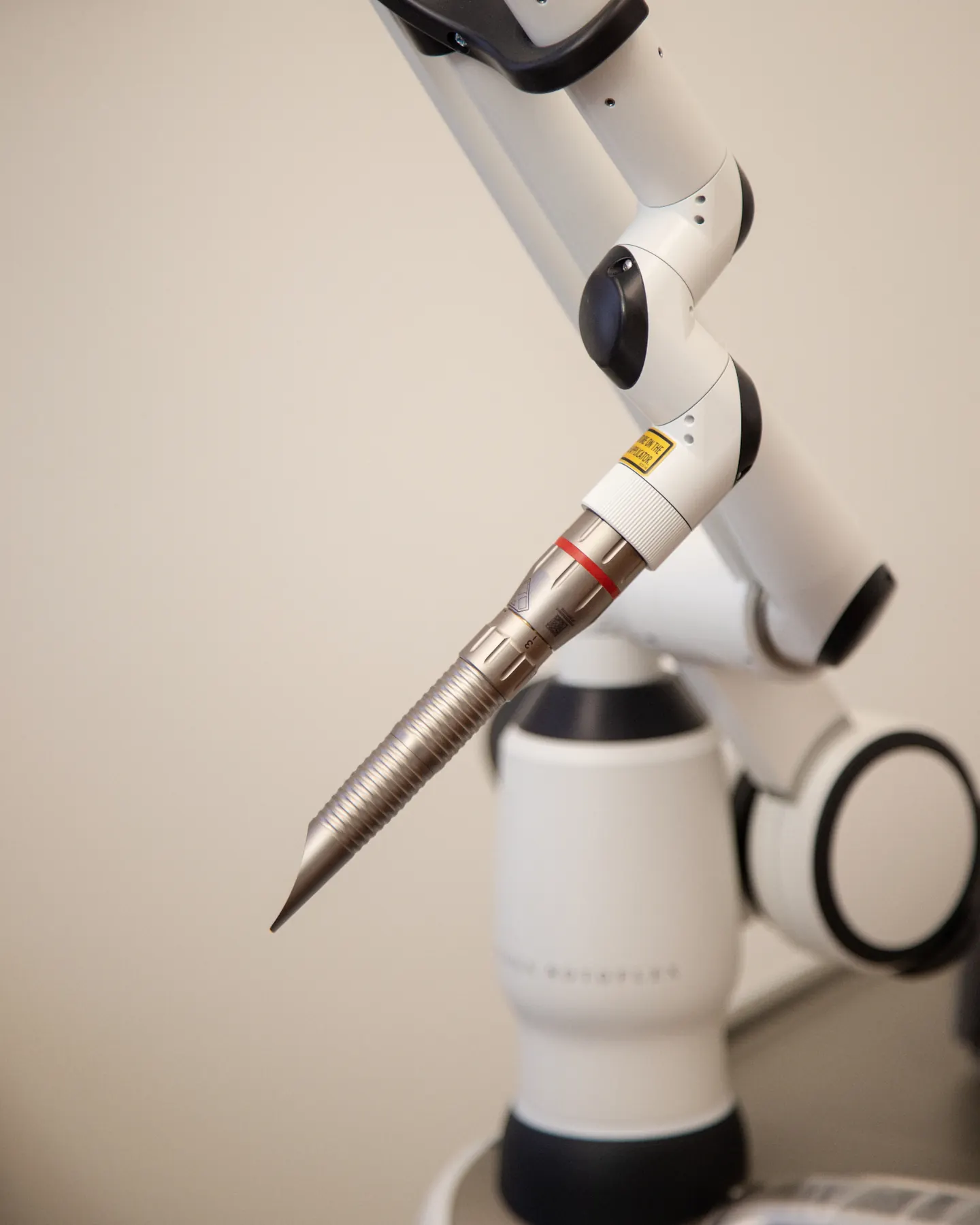
The term “Fotona 4D” refers to a multi step laser rejuvenation approach that works through several treatment modes rather than relying on a single pass or one surface level technique. The TimeWalker platform is designed to deliver those modes in a sequence that targets both superficial texture and deeper tissue remodeling. In practice, that often means combining intraoral tightening, deeper collagen stimulation, fractional resurfacing, and light polishing of the skin surface during the same visit or treatment series.
That matters because aging does not happen in one layer. Skin thins, collagen declines, pores become more visible, fine lines etch into the surface, and the support beneath the skin softens. A treatment that only addresses the top layer may improve brightness but do little for mild laxity. A treatment that only heats deeper tissue may tighten slightly but leave texture and crepiness behind. The appeal of the TimeWalker approach is that it tries to address multiple pieces of the puzzle in one coordinated plan.
Patients often hear “4D” and assume it is a marketing term. There is marketing around every aesthetic device, of course, but in this case the treatment concept is clinically relevant. The provider is not just moving the handpiece across the face once and calling it done. The sequence itself is part of the strategy.
The inside out approach
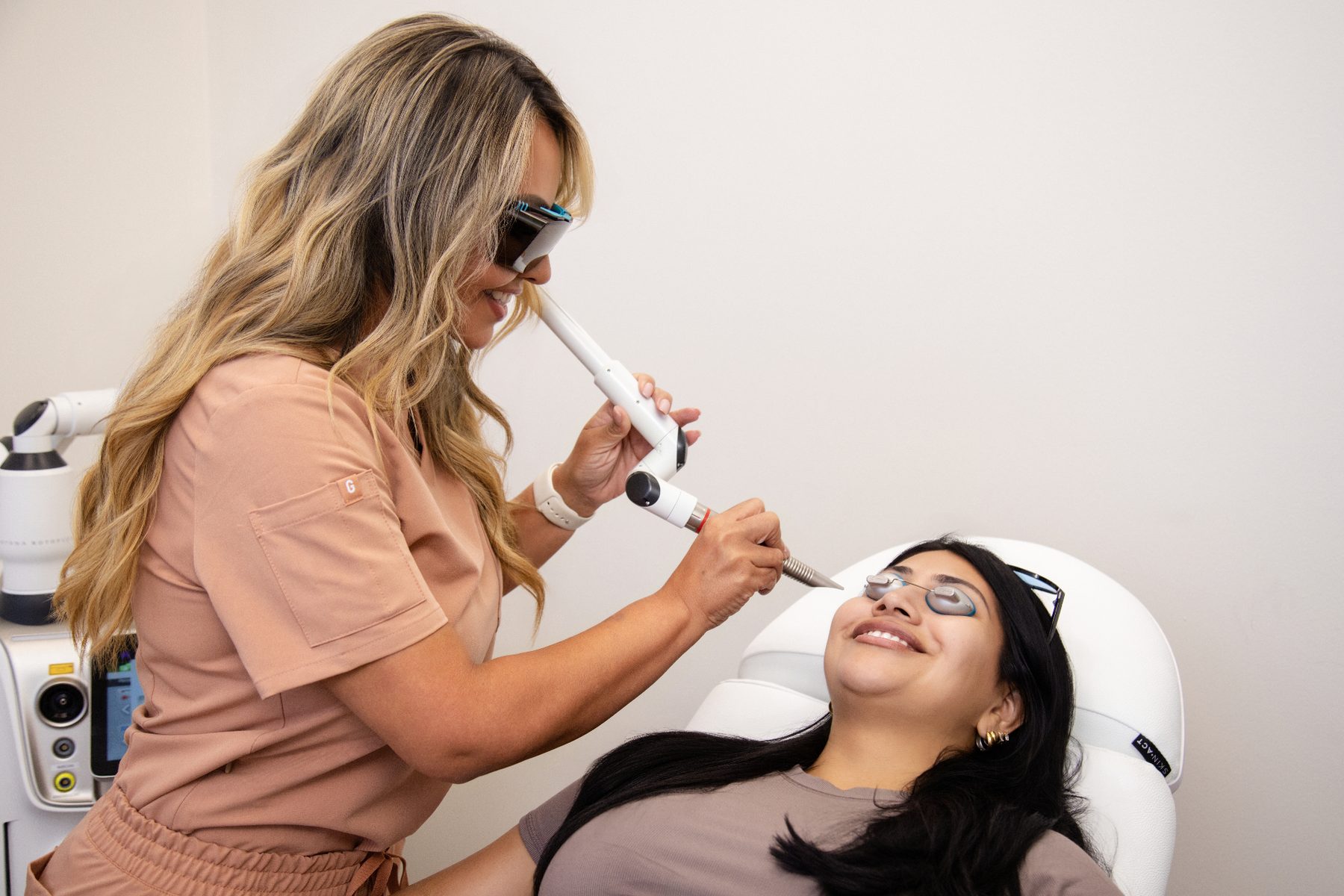
One of the more distinctive features of Fotona 4D is the intraoral portion, often described as a treatment from inside the mouth. This catches patients off guard the first time they hear it, but there is a practical reason for it. By treating the oral mucosa and the tissue around the nasolabial area from the inside, the provider can deliver heat where some early sagging and Fotona 4D Laser Facial (TimeWalker) Encino, CA volume descent become noticeable, particularly around the lower cheeks and smile lines.
Does this replace a facelift or restore lost volume the way filler can? No, and it should not be presented that way. What it can do, in the right patient, is create a subtle firming effect that supports the midface and perioral area. In someone with mild laxity, that subtlety can be exactly what they want. In someone with heavier tissue, more pronounced jowling, or advanced skin laxity, the result may be modest and best viewed as supportive rather than transformative.
That distinction is important. Good aesthetic outcomes depend on matching the treatment to the problem. TimeWalker shines when the goal is refinement, collagen support, and natural looking rejuvenation. It is less compelling if the patient expects it to replace surgery or deliver the kind of immediate lift that energy based devices simply do not provide.
What a session usually feels like
A well performed Fotona 4D treatment tends to have a rhythm to it. Different handpieces and modes feel different on the skin. Some portions feel warm and tolerable, almost like rapid heat pulses. Others can feel sharper, especially in bony areas or when resurfacing settings are used. The intraoral portion is unusual but generally manageable, especially when the provider explains what to expect and works efficiently.
Comfort varies for three reasons. First, settings matter. Second, treatment depth matters. Third, patient sensitivity matters. A person who breezes through neuromodulator injections may still find laser heat uncomfortable. Another patient who dislikes needles may tolerate laser very well. Topical numbing is often used, though practice style varies depending on how intensive the session will be.
Immediately afterward, most people look pink to red, with a sun warmed appearance that can last from several hours to a couple of days. If resurfacing is part of the session, there may be more visible roughness or a sandpapery texture for a few days. Swelling is usually mild, but around the eyes and mouth it can show up more than patients expect. It is rarely dramatic, yet it is noticeable enough that I usually tell people not to schedule their first session right before a major event.
That advice sounds basic, but it prevents a lot of regret. Patients tend to hear “minimal downtime” and translate it into “no visible recovery.” Those are not the same thing.
Who tends to respond best
The best candidates are usually those who are seeing early to moderate signs of facial aging and want visible improvement without a highly disruptive recovery period. Fine lines around the mouth, mild cheek laxity, rough texture, enlarged pores, and tired looking skin often respond well when the treatment plan is realistic.
Skin tone and skin type require careful evaluation. Not every laser setting is appropriate for every complexion, and this is where provider judgment matters as much as the platform itself. A patient with a history of post inflammatory hyperpigmentation, melasma, or very reactive skin needs a more conservative approach and, in some cases, may be better served by a different treatment path. The same goes for active acne, barrier impairment, or recent tanning.
The patients who leave happiest are usually the ones who understand three things before they begin:
- Improvement is often progressive, not instant.
- A series may produce better results than a single session.
- Maintenance matters if you want the benefits to last.
Those points are not sales language. They reflect how collagen remodeling works. The skin often looks brighter within days, but the firmer, more refined effect typically unfolds gradually over several weeks or months.
The TimeWalker difference in real practice
Devices do not produce outcomes by themselves. Protocol, settings, and restraint do. That is where the TimeWalker difference becomes practical rather than theoretical.
A thoughtful provider looks at where your aging shows up first. Some patients need more emphasis around the mouth and lower cheeks. Others are bothered mostly by crepey texture under the eyes or diffuse dullness across the face. A broad, standardized pass across every face misses those distinctions. The real advantage of a platform like this is the ability to layer treatment modes in a way that fits the patient in front of you.
I have seen the biggest difference when TimeWalker is used as part of a comprehensive aesthetic judgment, not as a one size fits all signature facial. If the skin is sun damaged and rough, the resurfacing component often carries more weight. If the complaint is softening along the nasolabial area and lower face, the tightening modes may be emphasized. If someone has good structure but poor luminosity, lighter settings and maintenance may be enough.
That flexibility is valuable, but it also means your consultation matters. A provider who rushes through candidacy and talks only in generalities is missing the entire point of a customizable system.
How it compares with other popular treatments
Patients in Encino often come in deciding between several broad categories: radiofrequency microneedling, IPL, traditional fractional lasers, deeper ablative resurfacing, and injectable treatments. The Fotona 4D Laser Facial (TimeWalker) Encino, CA conversation usually makes the most sense when those options are compared honestly.
IPL is useful for pigment and redness, but it is not primarily a tightening treatment. If someone’s main issue is brown spots and diffuse sun damage, IPL may be the cleaner answer. Radiofrequency microneedling can help with texture and some laxity, especially in acne scar prone skin, but the treatment feel and post care differ, and outcomes depend heavily on depth and technique. More aggressive ablative resurfacing can deliver stronger wrinkle reduction in selected patients, but downtime rises considerably and not every patient wants that trade.
Injectables sit in a different lane. Neuromodulators soften dynamic movement. Fillers restore volume. Lasers improve skin quality and can stimulate collagen. The best plan is often a combination, but not every face needs everything. One of the common mistakes in aesthetics is stacking treatments because they are available, not because they are necessary.
Recovery is usually easy, but not invisible
Minimal downtime is one of the reasons this treatment has grown in popularity, especially among people who still need to be out in public, on Zoom, or back at work quickly. That said, “minimal” covers a range.
If a patient has a lighter treatment focused on collagen stimulation and mild polishing, they may look presentable within a day or two with tinted sunscreen and gentle skincare. If the resurfacing portion is stronger, they may have several days of redness, rough texture, and a temporary dry, bronzed look before the skin smooths out. Makeup usually has to wait until the skin barrier settles, based on provider guidance.
Sun protection is not optional. Southern California light exposure is relentless, and Encino patients know this firsthand. Even disciplined sunscreen users tend to underestimate incidental exposure from driving, walking the dog, or sitting near windows. Post laser skin is more vulnerable, and careless sun exposure can compromise results and increase the risk of pigmentation issues.
A practical aftercare routine usually centers on bland hydration, sun avoidance, gentle cleansing, and patience. People get into trouble when they resume exfoliants, retinoids, acids, or active acne products too quickly because they want to “speed omniawellnesscenterencino.com Fotona 4D Laser Facial (TimeWalker) Encino, CA up” results. Recovery is not improved by irritation.
How many sessions are usually needed
This depends on the baseline condition of the skin and the outcome the patient is chasing. Some people notice enough improvement after a single session that they choose periodic maintenance. Others benefit more from a short series spaced several weeks apart. It is reasonable for a provider to describe a range rather than a promise. Skin quality, age, degree of laxity, prior treatments, and home care all affect the pace of change.
What I usually caution patients about is expecting one treatment to solve a multi year accumulation of aging. It rarely works that way. The face tends to respond best when collagen stimulation is approached steadily and skin health is supported between visits. That can include skincare, sun protection, and sometimes adjunctive treatments if there are concerns laser alone will not fully address.
A useful way to think about TimeWalker is that it often helps move the face back toward a fresher version of itself. It does not typically create a brand new face. For most patients, that is actually the appeal.
Where it fits for the lower face and perioral area
One of the strongest use cases for Fotona 4D is the zone around the mouth. This is where many patients first notice that standard facials and peels no longer do enough. Lip lines become more visible. Makeup starts collecting in texture. Smile lines deepen. The skin around the mouth can look crinkled, especially in thinner skin or after years of sun exposure.
Because the treatment addresses both deeper tissue and the surface, it can be particularly satisfying here. The key word is “can,” because severity still matters. Fine etched lines may soften. Texture often improves. Mild laxity may tighten somewhat. But deep static folds or significant volume loss may still need another strategy, whether that is filler, biostimulation, or a surgical consultation in more advanced cases.
This is where expert counseling earns its keep. Overselling subtle treatments creates disappointment. Underestimating small refinements misses their value. Around the mouth, a little tightening and smoothing can shift the entire expression of the face.
Why consultation quality matters in Encino
The Los Angeles area gives patients plenty of aesthetic choices, which is both a benefit and a problem. A sought after treatment can spread quickly on social media, and once that happens, every office starts using the same language. The challenge is that two clinics can advertise the same device and still deliver very different experiences and outcomes.
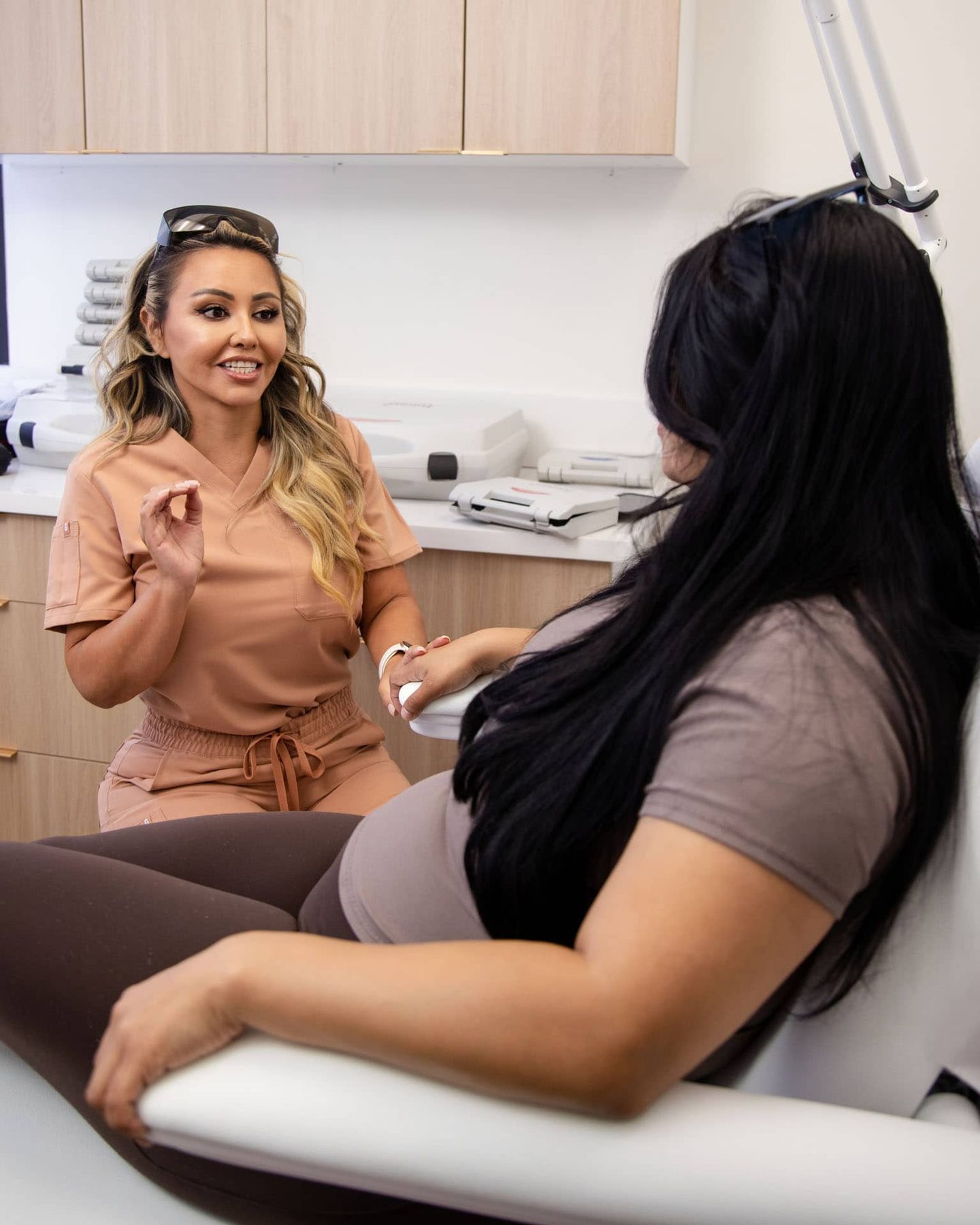
When evaluating a provider for Fotona 4D Laser Facial (TimeWalker) Encino, CA, I would pay attention to how the consultation unfolds. Do they ask about your history of cold sores, pigmentation, recent tanning, melasma, isotretinoin use, or prior procedures? Do they discuss whether your main concern is texture, tightening, pigment, or volume loss? Do they show a clear understanding of what the device can and cannot do? Those details tell you more than a polished brochure ever will.
Here are a few signs that the discussion is grounded in judgment rather than salesmanship:
- They describe realistic ranges of improvement rather than guaranteed outcomes.
- They explain downtime honestly, including redness, swelling, and temporary roughness.
- They tailor the plan to your facial anatomy and skin behavior.
- They mention alternatives if another treatment would fit your goals better.
- They review aftercare and timing around social events, travel, and sun exposure.
That kind of conversation tends to correlate with better decision making and fewer surprises.
Common misconceptions
One of the biggest misconceptions is that all non surgical tightening feels interchangeable. It does not. Devices differ in mechanism, depth, comfort profile, and the type of patient who responds best. Another misconception is that stronger always means better. Sometimes it means more inflammation, more downtime, and not necessarily a better result for your skin type.
Patients also tend to assume that because a treatment is called a “facial,” it must be light. The Fotona 4D designation can undersell the sophistication of what is actually being done. This is not a spa facial with a laser wand waved over the skin. It is an energy based medical aesthetic procedure that deserves proper screening, informed consent, and experienced execution.
A final misunderstanding concerns maintenance. People often ask how long it lasts as if there is a fixed expiration date. Skin keeps aging. Sun exposure continues. Weight fluctuations, stress, sleep, hormones, and skincare all matter. The treatment can improve the trajectory, but it does not stop time. Maintenance is part of the agreement.
The subtle result many patients actually want
There is a reason treatments like this maintain appeal even in markets saturated with more dramatic options. Many people do not want the look of having “done something.” They want fewer comments about looking tired. They want smoother makeup wear. They want the lower face to feel less heavy in photos. They want their skin to bounce back instead of appearing depleted.
TimeWalker tends to serve that patient well, especially when expectations are calibrated properly. The result often reads as polish rather than overhaul. Friends may notice that your skin looks better without being able to identify why. In aesthetics, that kind of ambiguity is often the mark of a good outcome.
For the right candidate, the Fotona 4D Laser Facial offers a balanced approach: layered treatment, manageable downtime, and meaningful improvement in skin quality with the possibility of subtle firming. For the wrong candidate, especially someone seeking major lifting or correction of advanced aging, it can feel underwhelming. That is not a flaw in the device. It is a reminder that the best treatment is the one that fits the face, the goals, and the tolerance for recovery.
If you are considering the Fotona 4D Laser Facial (TimeWalker) Encino, CA, focus less on the headline promise and more on the treatment logic. Ask what is being targeted, why those settings are being chosen, what kind of result is realistic for your skin, and how recovery will look in your actual daily life. The right answer is usually not the most dramatic one. It is the one that makes sense when clinical judgment meets your priorities.
OMNIA Wellness Center
16430 Ventura Blvd Ste 207, Encino, CA 91436
Phone: +1 818-386-8511
FAQ About Fotona 4D Laser Facial (TimeWalker) Encino, CA
What is a Fotona laser good for?
Fotona lasers support several different aesthetic protocols. The Fotona 4D facial uses two wavelengths and four treatment modes to address concerns such as fine lines, skin texture, and mild laxity. OMNIA Wellness Center offers the TimeWalker facial with an individual consultation. Suitability and likely improvement depend on the person's skin and goals; results are not guaranteed, and this treatment does not reproduce a surgical facelift.
How much does a Fotona laser treatment cost?
The cost depends on the treatment protocol, areas treated, number of sessions, and provider's assessment. Ask OMNIA Wellness Center for a current written quote that explains what is included, whether follow-up is included, and any proposed package terms. An individualized estimate is more useful than assuming that one advertised price applies to every facial treatment.
How much downtime is there after a Fotona laser procedure?
Recovery varies with the specific protocol and intensity. Fotona describes its 4D facial as having little to no downtime, but temporary redness or sensitivity can occur, and a stronger surface treatment can require more recovery. Ask the treating clinician what to expect from the planned settings, how to care for the skin afterward, and when to contact the clinic with concerns.